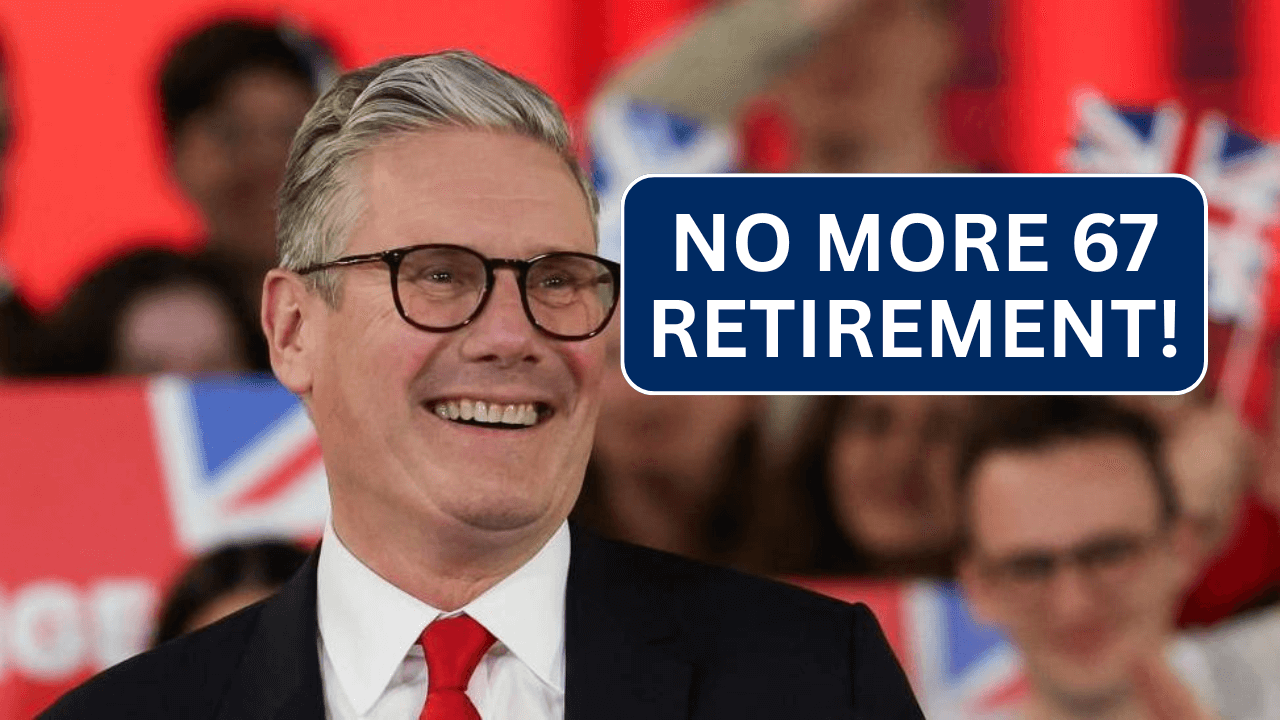
For many people across the United Kingdom, the idea of retiring at 67 has long been seen as a clear milestone. It’s the age many workers have built their financial plans around, expecting to step away from full-time work and begin drawing their State Pension.
So when headlines suggest that the UK is “ending retirement at 67,” it naturally creates concern. People want to know whether they will need to work longer, how it affects their pension, and whether their retirement plans need to change.
The reality, however, is more gradual and less dramatic than it may seem. In this article, we’ll explain exactly what’s happening, what has been officially announced, and how it could affect you.
What the headline actually means
The phrase “ending retirement at 67” can sound like an immediate change, but in reality, there is no sudden removal of the current retirement age.
Instead, the UK government regularly reviews the State Pension age through the Department for Work and Pensions to ensure the system remains sustainable.
Any changes to the pension age are:
Planned well in advance
Introduced gradually
Based on long-term projections
So rather than an overnight shift, the system evolves over time.
Understanding the State Pension
The State Pension is a regular payment provided by the government once you reach the official pension age.
Your entitlement depends on:
National Insurance contributions
Number of qualifying years
Your work history
It forms the foundation of retirement income for millions of people.
Current State Pension age in the UK
At present:
The State Pension age is 66
It is scheduled to rise to 67 between 2026 and 2028
This means many people are already expecting to retire later than previous generations.
What changes are being discussed
The current discussion focuses on whether the pension age should rise further in the future.
There have been proposals to increase it to:
68
Or potentially higher over the long term
However, these changes are not immediate and would only affect certain age groups.
Why the pension age is increasing
There are several reasons behind these changes.
Longer life expectancy
People are living longer, which means pensions need to last for more years.
Financial sustainability
Raising the pension age helps ensure the system remains affordable.
Changing work patterns
Many people are working longer and retiring later than before.
These factors make gradual adjustments necessary.
Is retirement at 67 really ending
In simple terms, no.
Retirement at 67 is still part of the current system. The phrase “ending retirement at 67” refers more to future possibilities rather than an immediate rule.
For most people:
There is no sudden change
Existing plans remain valid
The system continues as expected
Who will be affected the most
Future changes are most likely to affect:
Younger workers
People far from retirement
Those planning long-term finances
If you are close to retirement age, changes are less likely to impact you.
How changes are introduced
The UK government does not make sudden pension changes.
Instead, adjustments are:
Announced years in advance
Phased in gradually
Based on detailed reviews
This gives people time to adapt.
What this means for your retirement plans
Even the possibility of a higher pension age highlights the importance of planning.
You may need to consider:
Saving more for retirement
Working for longer
Reviewing your financial goals
Planning early can make a significant difference.
The role of workplace and private pensions
Relying only on the State Pension may not be enough.
Additional pensions can:
Provide extra income
Offer flexibility
Help bridge any gap if retirement age increases
Building savings over time is key.
How to check your pension age
It’s important to know when you can retire.
You should check:
Your expected State Pension age
Your contribution record
Your projected pension amount
This helps you plan more effectively.
Common misunderstandings
There are several myths about this topic.
Some people believe:
Retirement at 67 has been cancelled
Everyone must work much longer
Changes apply immediately
In reality:
No sudden changes have been made
The system is evolving gradually
Not everyone is affected
Why headlines can be misleading
Headlines often use strong language to attract attention.
Phrases like “officially announced” or “ends at 67” can make it seem like a major immediate change, even when the reality is more measured.
Understanding the details helps avoid confusion.
How this affects everyday life
For most people, there is no immediate impact.
You can continue to:
Work as planned
Follow your existing retirement timeline
Make financial decisions based on current rules
Future changes are likely to be gradual.
The importance of staying informed
Pension rules can change over time, so it’s important to stay updated.
You should:
Follow official updates
Review your pension regularly
Adjust your plans if needed
This ensures you are always prepared.
How families can plan together
Retirement planning often involves the whole family.
You can:
Discuss financial goals
Share information
Support long-term planning
This makes the process easier.
Looking ahead
The UK pension system will continue to evolve.
Future changes may include:
Further increases in pension age
Updates to contribution rules
New support measures
These changes aim to keep the system sustainable for future generations.
Key points to remember
The State Pension age is currently rising to 67
No sudden end to retirement at 67 has occurred
Future increases are possible but gradual
Younger people are more likely to be affected
Planning ahead is essential
Final thoughts
The idea that the UK is ending retirement at 67 may sound dramatic, but the reality is far more balanced. The government is not making sudden changes—instead, it is gradually adapting the system to reflect longer life expectancy and economic needs.
For most people, there is time to plan and adjust. By staying informed, reviewing your finances and preparing for the future, you can approach retirement with confidence—whatever age it begins.