For millions of workers and pensioners across the United Kingdom, the amount of tax they pay each year is a key part of their financial wellbeing. Even a small change in tax thresholds can have a noticeable impact on take-home pay.
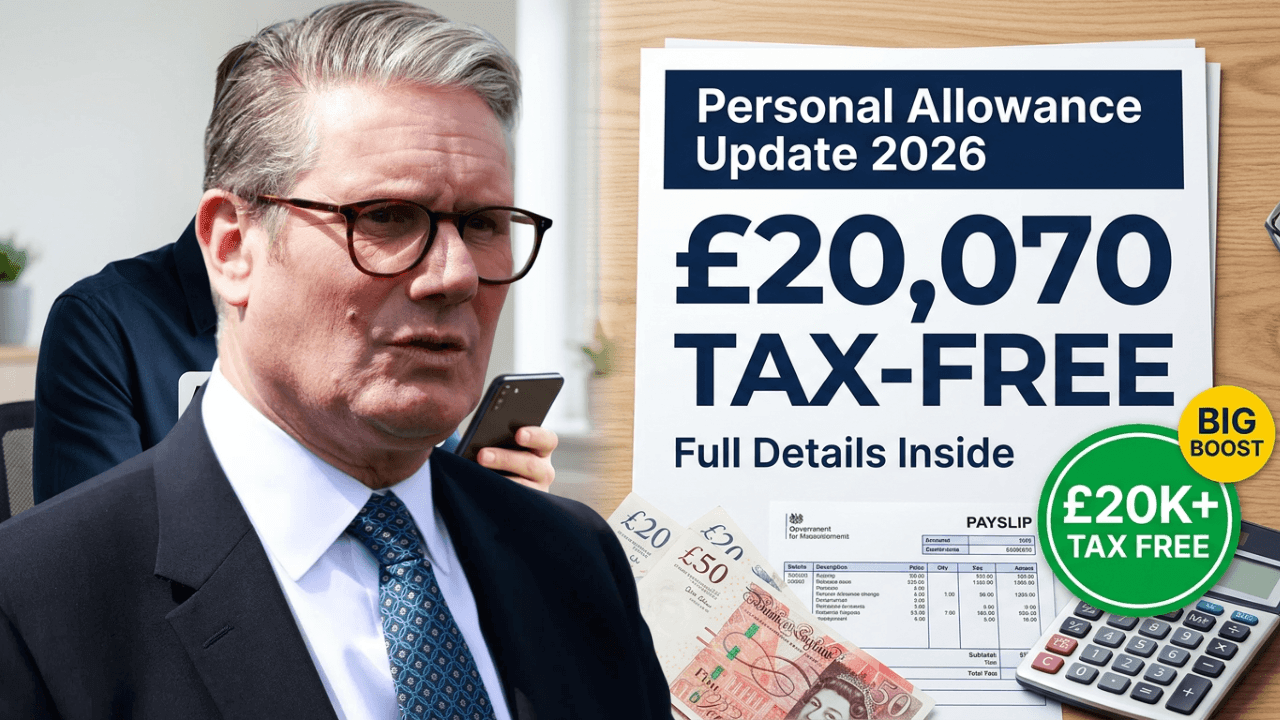
So when headlines suggest that the tax-free personal allowance could rise to £20,070, it naturally grabs attention. For many, it sounds like a welcome boost—potentially allowing people to keep more of what they earn.
But what does this announcement really mean? Has the allowance actually increased to this level? And how would such a change affect your income?
In this article, we’ll break everything down clearly and honestly, so you understand the facts and what it means for you.
What the personal allowance is
The personal allowance is the amount of income you can earn each year before paying income tax.
It is set and managed by HM Revenue and Customs, and it applies to most individuals in the UK.
In simple terms:
If your income is below the personal allowance, you do not pay income tax
If your income is above it, you pay tax only on the amount over the threshold
This makes it one of the most important elements of the UK tax system.
The current personal allowance level
At present, the standard personal allowance in the UK is:
£12,570 per year
This threshold has been frozen for several years, meaning it has not increased in line with inflation.
As a result:
More people are paying tax
Workers may feel increased pressure on their income
The real value of the allowance has decreased over time
Is the allowance rising to £20,070
The idea of a rise to £20,070 is significant—but it’s important to clarify the situation.
There is no official confirmation that the personal allowance has been increased to £20,070 for all taxpayers.
Instead, this figure is often:
A proposed change
A projected scenario
Part of policy discussions
It is not currently the standard allowance applied across the UK.
Why this figure is being discussed
The £20,070 figure has gained attention because of ongoing debates about tax reform.
Some experts and policymakers have suggested:
Raising the allowance to reduce tax pressure
Helping low- and middle-income earners
Supporting households facing rising costs
While these ideas are being discussed, they have not yet been fully implemented.
What would happen if the allowance increased
If the personal allowance were raised to £20,070, the impact could be significant.
More take-home pay
You would keep more of your income before tax is applied.
Reduced tax burden
Lower earners would pay less tax overall.
Increased financial flexibility
Households may have more money for savings, bills or everyday expenses.
However, such a change would also have implications for government revenue.
Who benefits the most
An increase in the personal allowance would benefit:
Low-income earners
Part-time workers
Pensioners with modest income
Higher earners would also benefit, but the impact would be proportionally smaller.
How income tax works in the UK
Understanding the allowance is easier when you know how income tax is structured.
After the personal allowance:
Basic rate tax applies to income above the threshold
Higher rates apply to higher income bands
This system ensures that tax is progressive.
Why the allowance has been frozen
The government has chosen to freeze the personal allowance in recent years for several reasons.
These include:
Managing public finances
Maintaining tax revenue
Balancing economic priorities
While this helps government budgets, it can increase the tax burden on individuals over time.
The impact of inflation
Inflation plays a key role in how tax thresholds affect people.
When prices rise but thresholds stay the same:
People effectively pay more tax in real terms
Wages may not stretch as far
Financial pressure increases
This is why calls for increasing the allowance continue.
What this means for workers
For most workers, there is currently no immediate change to the personal allowance.
This means:
Your tax-free threshold remains the same
Your tax calculations continue as usual
No action is required
However, staying informed about potential changes is important.
What this means for pensioners
Pensioners are also affected by the personal allowance.
If their income exceeds the threshold:
They may need to pay tax
Their pension income could be affected
An increase in the allowance would provide relief for many older individuals.
Do you need to take action
At present, there is no action required.
However, you should:
Check your tax code
Review your payslips
Ensure your income details are correct
This helps avoid errors in taxation.
Common misunderstandings
There are several myths about the £20,070 figure.
Some people believe:
The allowance has already increased
Everyone will pay less tax immediately
Changes are already in effect
In reality:
No universal change has been confirmed
Current thresholds still apply
Updates would be officially announced
Why headlines can be misleading
Tax-related headlines often highlight large figures to attract attention.
The £20,070 amount sounds appealing, but it may represent:
A proposal
An estimate
A future possibility
Understanding the difference between confirmed policy and discussion is essential.
How this affects everyday finances
Even without changes, understanding tax thresholds can help you manage your money better.
You can:
Plan your income more effectively
Understand your payslips
Make informed financial decisions
If the allowance increases in the future, it could provide additional relief.
Additional ways to reduce tax
There are other ways to manage your tax liability.
These include:
Using tax-free savings accounts
Claiming eligible reliefs
Making pension contributions
These options can help you keep more of your income.
The importance of staying informed
Tax rules can change over time, so it’s important to stay updated.
You should:
Follow official announcements
Check updates from HM Revenue and Customs
Review your financial situation regularly
This ensures you are always aware of your obligations and opportunities.
How families can benefit
Families can benefit from better tax awareness by:
Planning household finances
Sharing information
Helping each other understand changes
This can improve overall financial stability.
Looking ahead
Future changes to the personal allowance remain possible.
These could include:
Gradual increases
Adjustments linked to inflation
Broader tax reforms
However, any changes would be introduced carefully and announced in advance.
Key points to remember
The personal allowance is currently £12,570
No confirmed increase to £20,070 has been implemented
The figure is part of discussions or proposals
Any changes would be officially announced
Understanding tax rules helps you manage your finances
Final thoughts
The idea of a tax-free personal allowance rising to £20,070 is certainly appealing, especially at a time when many households are feeling financial pressure. However, it’s important to separate headlines from confirmed policy.
For now, the current system remains in place. But discussions about tax reform continue, and future changes are always possible.
By staying informed and understanding how the system works, you can make better financial decisions and be prepared for whatever changes may come next.